Expertise
Tracking “6-7”: Why watching slang is a 24/7 brand job
Your audience already speaks the language of memes and slang. The question is: should your brand? Slang travels faster than brand guidelines. Here’s how CMOs can use evolving language to build real connection.
Slang is fast. How do brands keep up?
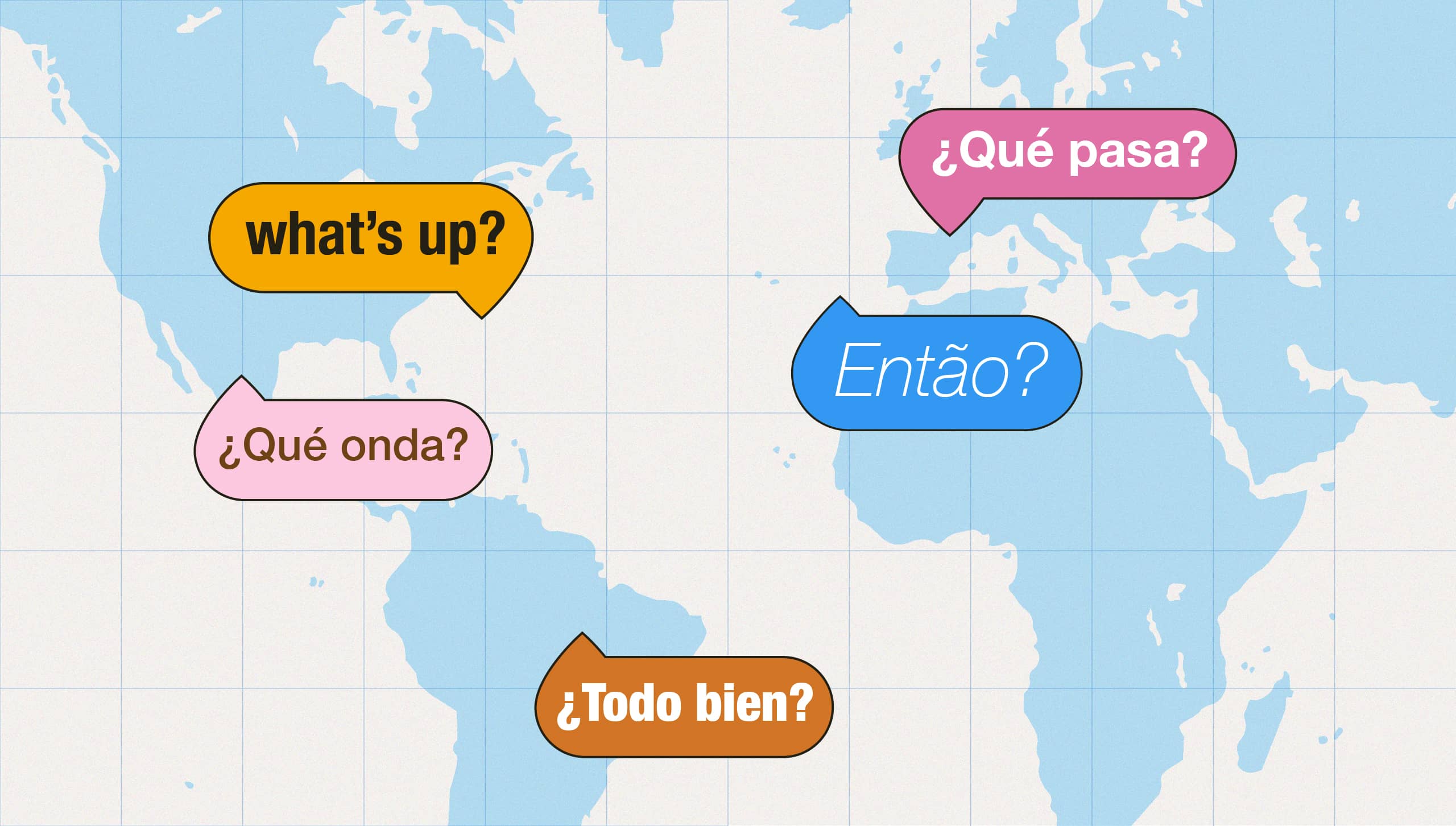
The language of culture doesn’t wait for brand guidelines. Words and phrases rise out of TikTok, Twitter, Reddit or are coined by Gen Alpha or Gen Z and suddenly, they’re everywhere. But while the internet moves at the speed of meme, brands move at the speed of approvals. By the time most marketers feel comfortable using a new phrase, it’s already lost its punch, or worse, it feels forced and inauthentic.
Still, language is a powerful way to connect. When used with care, slang can show your audience you get it. For CMOs, the stakes are even higher: language is often the first signal that a brand is culturally awake or hopelessly out of step. The trick? Being fluent in both brand voice and cultural relevance.
From niche jokes to national ad campaigns: how it happens
Most slang starts in specific communities and moves outward. It often gains traction through creators and influencers, then shows up in memes, media and eventually, marketing. Every year, dictionaries evaluate thousands of contenders, adding only the slang terms that demonstrate real staying power, widespread usage and cultural relevance. The rest fade as linguistic blips—fun for the moment, but not meaningful enough to be recorded.
Some brands try to jump on slang while it’s trending. Others try to own a phrase entirely. But the most effective approach is to treat slang like a collaboration. Understand where it came from, and what it means today—not just what it meant yesterday. Crocs recently demonstrated this with its “Your Crocs, Your Rizz” campaign: by leaning into the Gen Z slang “rizz” (meaning personal charisma), the brand aligned its shoes with cultural language around individuality and effortless style, showing that footwear can be more than just function: it can carry personality, too.
Why should CMOs care? Because language adoption is a proxy for cultural fluency. When a brand uses a phrase that’s already on the downswing—or misuses one that hasn’t actually crossed into mainstream understanding—it signals that the brand isn’t listening closely enough.
That’s how brands stay human in how they speak, by speaking with culture, not at it.
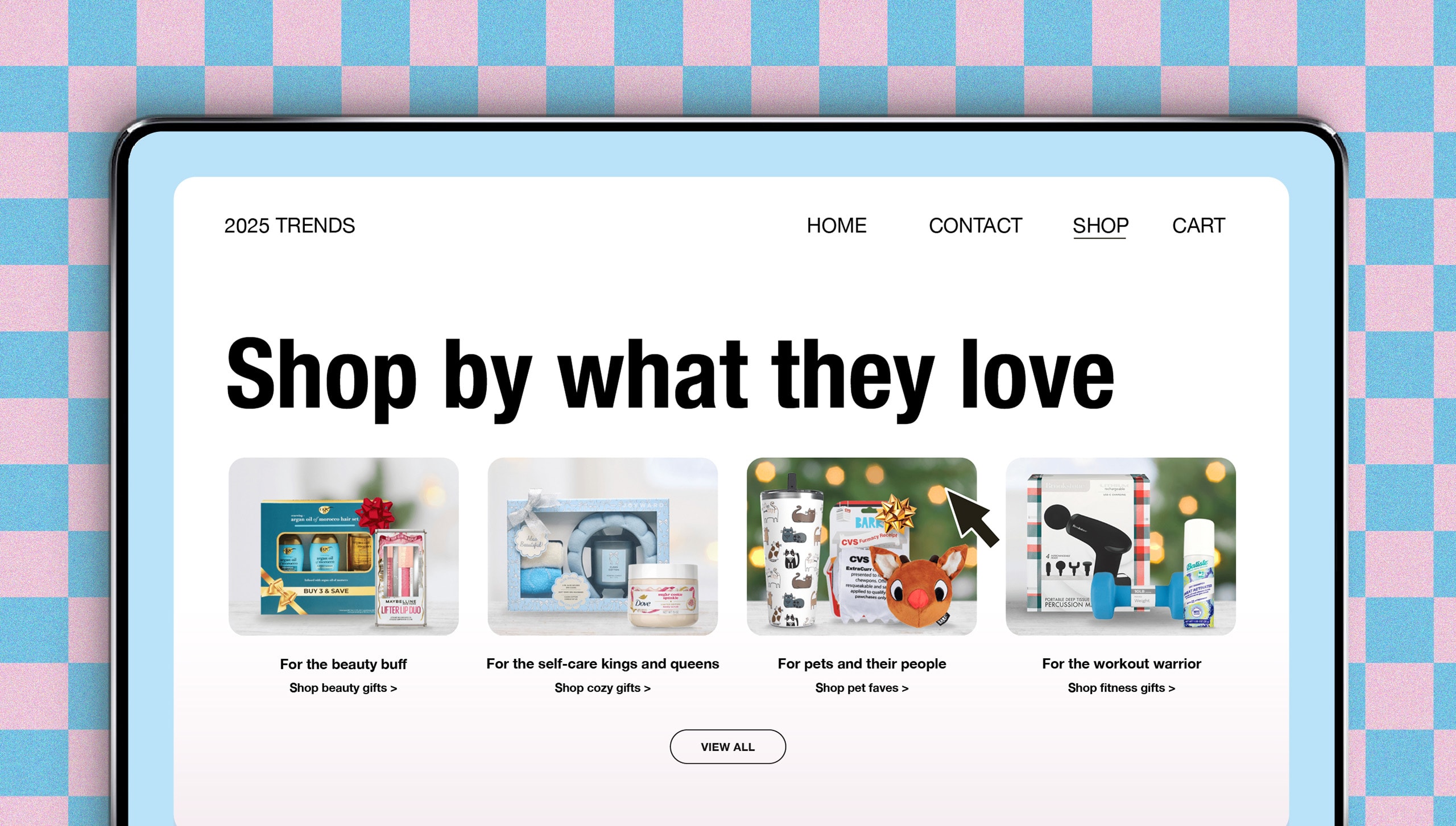
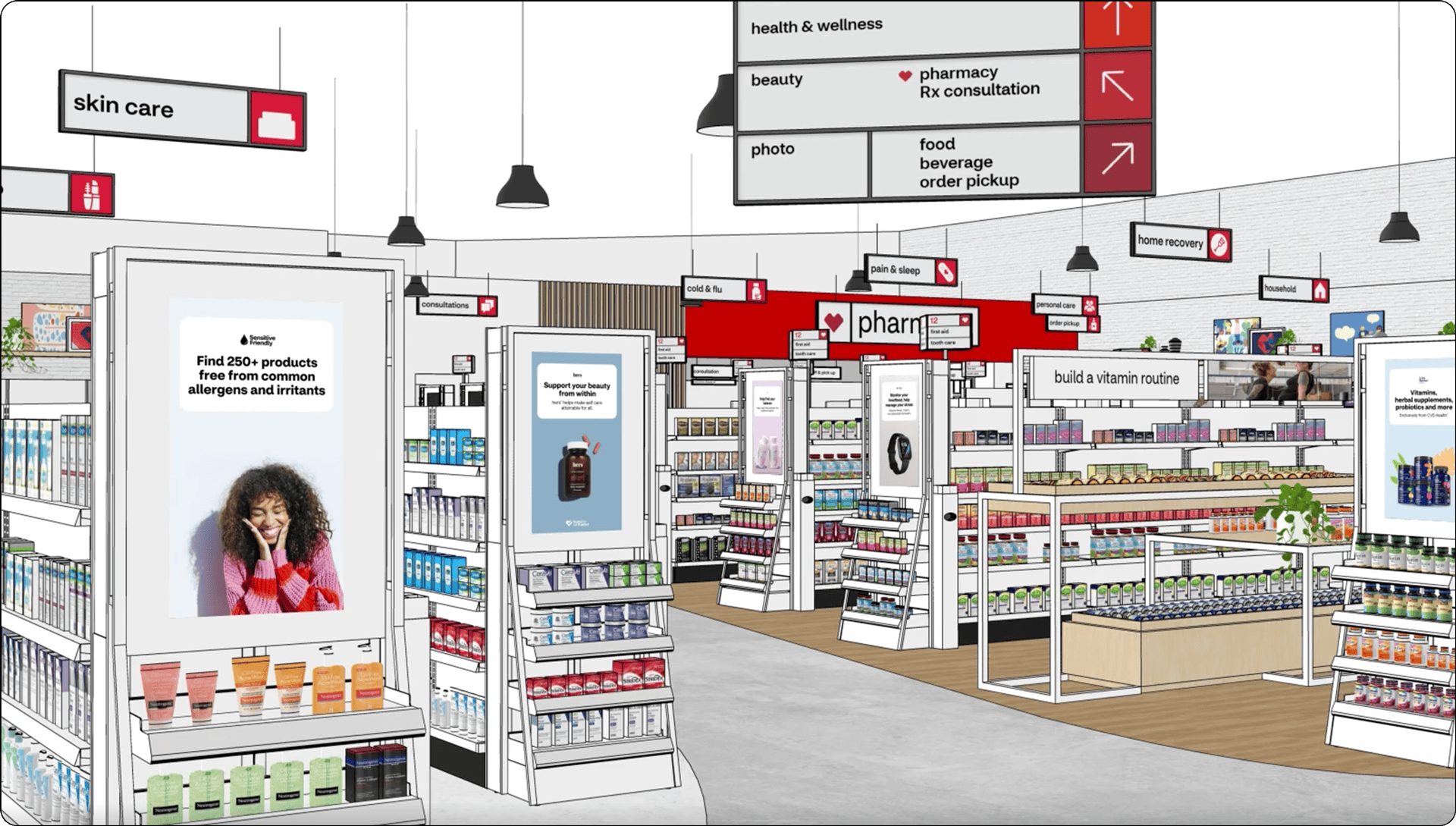
Another example is our work with CVS, where we infused playful, cultural language into a holiday gifting section to better connect with shoppers. Instead of using standard category names, we grouped items by personality with cheeky headers like “For the beauty buff” and “For the self-care kings and queens.”
The approach added a human, relatable tone that felt more like a friend’s recommendation than a retail aisle. It was brand voice meeting internet voice, and it works.
Slang can work beautifully when it’s used with purpose. The trick is knowing when to join the conversation and when to leave a trend alone. Here are a few ways to tell the difference.
- Gut-check the voice. Does this sound like your brand or are you just borrowing someone else’s tone or language for clicks? If the phrase doesn’t feel like something your brand would say, skip it.
- Consider context. Is this a phrase your audience already knows, or will it leave them guessing? Will using it help the story you’re telling and stick around long enough to matter?
- Lead with listening. Trends move fast. The brands that win are the ones that observe first, participate second and never pretend to be something they’re not.
For marketers, the key is treating slang as a strategic indicator. It reveals what audiences value, how they form identity and what emotional signals they respond to. Slang itself isn’t the goal; understanding the cultural shift behind it is.
When done right, slang helps you speak your audience’s language in a way that builds trust and engagement.













.jpg)
love.jpg)









rentice-summer-2024-interns.jpg)






.png)


.jpg)


.jpg)